All Categories
Featured
Table of Contents
- – Navigating the 2026 Insurance Market for Chron...
- – Underwriting Criteria and Impaired Risk in 2026
- – Life Insurance Options for Dialysis Patients
- – The Financial Impact of Dialysis and Coverage ...
- – Health Insurance for Early Stage CKD
- – The Role of Empathy in the Application Process
- – Looking Toward the Future of Renal Coverage
Navigating the 2026 Insurance Market for Chronic Kidney Disease
Managing a diagnosis of Chronic Kidney Disease (CKD) involves more than just medical appointments and dietary restrictions. In 2026, the financial implications of long-term kidney care are a primary concern for families across the United States. Whether someone is in the early stages of renal insufficiency or navigating the complexities of regular dialysis, securing the right insurance coverage remains a significant hurdle. Underwriters have become more sophisticated in how they view impaired risk, moving away from broad denials toward a more nuanced assessment of individual health stability.
For many patients in the local community, the first step is understanding that a CKD diagnosis does not automatically disqualify them from obtaining life or health insurance. Modern medical data allows insurance carriers to look at more than just a diagnostic code. They evaluate Glomerular Filtration Rate (GFR) trends, creatinine levels, and how well a patient manages comorbid conditions like hypertension or diabetes. If these factors are stable over a long period, the options for coverage are broader than they were even a few years ago.
Underwriting Criteria and Impaired Risk in 2026
The term "impaired risk" refers to individuals whose health history makes them more likely to file a claim. In 2026, kidney health is one of the most common factors in this category. When applying for a policy, the underwriter looks for a history of compliance. Are you following the renal diet? Are you attending every dialysis session? Stability is the currency of the insurance world. A patient with Stage 3 CKD who has maintained the same GFR for three years is viewed much more favorably than someone whose numbers are fluctuating rapidly.
Carriers are particularly interested in the underlying cause of the kidney issues. If the damage was caused by a temporary event that has since been resolved, the risk profile is much lower. However, most cases stem from chronic conditions. Specialized agents who have deep expertise in Harmony SoCal Insurance Services Evaluation are often necessary to help applicants present their medical history in the best possible light. These professionals know which carriers have a higher "appetite" for renal risks, ensuring that patients do not waste time on applications destined for rejection.
Life Insurance Options for Dialysis Patients
For those already on dialysis, traditional fully underwritten life insurance is often difficult to secure. However, the market in 2026 has seen a rise in alternative products. Guaranteed Issue (GI) life insurance policies have become a staple for end-stage renal disease (ESRD) patients. These policies do not require a medical exam or access to health records. As long as the applicant meets the age requirements, they are accepted.
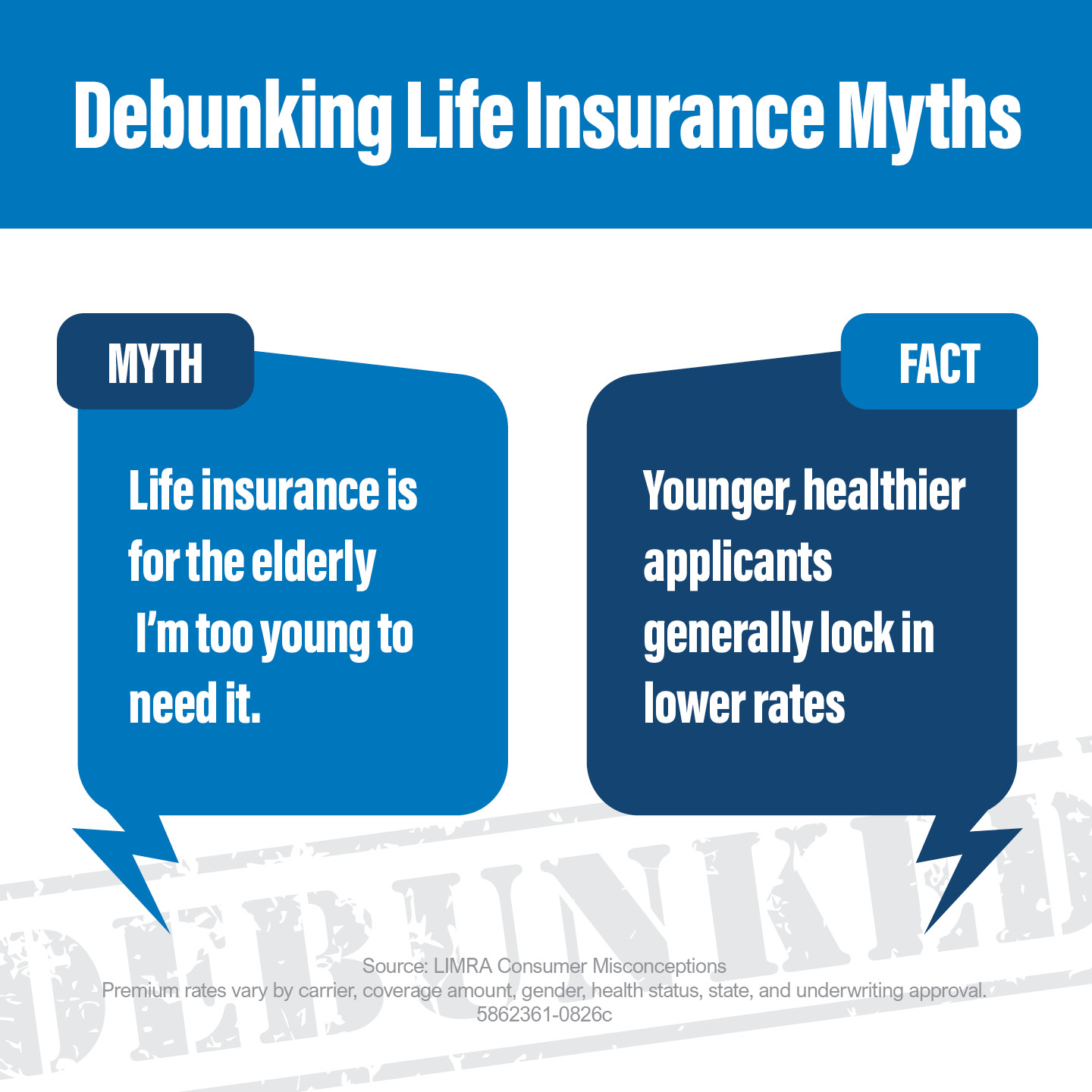
The trade-off for these policies is usually a graded death benefit. This means if the policyholder passes away within the first two years of the policy, the beneficiaries might only receive a refund of the premiums plus interest. After that two-year waiting period, the full face amount is paid out. Harmony SoCal Insurance Services Coverage Review serves as a common strategy to cover final expenses, such as funeral costs and small outstanding debts, providing peace of mind for families in the region.
The Financial Impact of Dialysis and Coverage Gaps
Dialysis is expensive. In 2026, the cost of a single hemodialysis session in the United States can range from $500 to over $1,000 when accounting for medications and staffing. While Medicare covers a significant portion of these costs for those with ESRD, it does not cover everything. The "20 percent gap" in Medicare Part B can lead to thousands of dollars in out-of-pocket expenses every month.
This is where supplemental coverage becomes vital. Medigap plans or Medicare Advantage plans tailored for chronic conditions are designed to pick up where original Medicare leaves off. Patients often spend hours researching these options to avoid financial ruin. Those who are specifically looking for Harmony SoCal Insurance Services for Seniors find that regional variations in plan availability can affect their total annual spending. In places like your local area, the choice between a PPO and an HMO can determine which nephrologists and dialysis centers are accessible without incurring out-of-network penalties.
Health Insurance for Early Stage CKD
For patients in Stages 1 through 3, the focus is on preventing progression. Insurance companies have realized that paying for high-quality preventive care is much cheaper than paying for a kidney transplant or years of dialysis. As a result, many kidney care support programs are now integrated into standard health plans. These programs may include access to specialized nutritionists, lower copays for ACE inhibitors or ARBs, and more frequent lab testing.
Employer-sponsored insurance remains the strongest defense for many workers. Under the protections of the Affordable Care Act, which remains a cornerstone of the US health system in 2026, individuals cannot be denied health insurance or charged more based on a pre-existing condition like CKD. However, the choice of a "high-deductible" plan vs. a "low-deductible" plan is a high-stakes decision for a kidney patient. A patient expecting frequent labs and specialist visits usually finds that a higher premium plan with a lower deductible results in lower total costs by the end of December.
The Role of Empathy in the Application Process
Applying for insurance when you have a chronic illness is an emotional experience. It often feels like a cold, mathematical judgment on your life expectancy. In 2026, the best brokerage firms have adopted an approach that prioritizes the human element. They recognize that behind every GFR score is a person trying to provide for their children or ensure their spouse is not burdened by debt.
Insurance agents who specialize in impaired risk are trained to listen. They understand the fatigue that comes with dialysis and the anxiety of waiting for a transplant list update. By taking the time to gather "cover letters" from treating physicians, these agents can explain the context of a patient's health to the insurance carrier. For example, if a patient’s creatinine spiked because of a bout of dehydration rather than progressive disease, that context can save the applicant thousands of dollars in annual premiums.
Looking Toward the Future of Renal Coverage
As we move through 2026, medical advancements are beginning to influence insurance rates. New classes of drugs that slow the progression of diabetic nephropathy are making it easier for people to stay in Stage 2 or 3 for decades. Additionally, the rise of wearable technology that monitors electrolyte levels and blood pressure in real-time provides data that some insurers use to offer "wellness discounts."
Securing insurance with kidney disease is no longer a "one size fits all" rejection. It is a process of finding the right fit between a patient’s specific health profile and a carrier’s specific underwriting guidelines. By staying informed about their medical data and working with experts who understand the 2026 market, patients can find the protection they need. The goal is always the same: ensuring that a medical condition does not dictate a family’s financial future. While the path might be more complex for those with CKD, the options available today offer a level of security that was once thought impossible for impaired risk applicants.

Table of Contents
- – Navigating the 2026 Insurance Market for Chron...
- – Underwriting Criteria and Impaired Risk in 2026
- – Life Insurance Options for Dialysis Patients
- – The Financial Impact of Dialysis and Coverage ...
- – Health Insurance for Early Stage CKD
- – The Role of Empathy in the Application Process
- – Looking Toward the Future of Renal Coverage
Latest Posts
Medicare Solutions for the Modern Survivor
The Importance of Disclosing History for Insurance Planning
Overcoming the Challenges of High-Risk Travel Insurance
Latest Posts
Medicare Solutions for the Modern Survivor
The Importance of Disclosing History for Insurance Planning
Overcoming the Challenges of High-Risk Travel Insurance